Projects
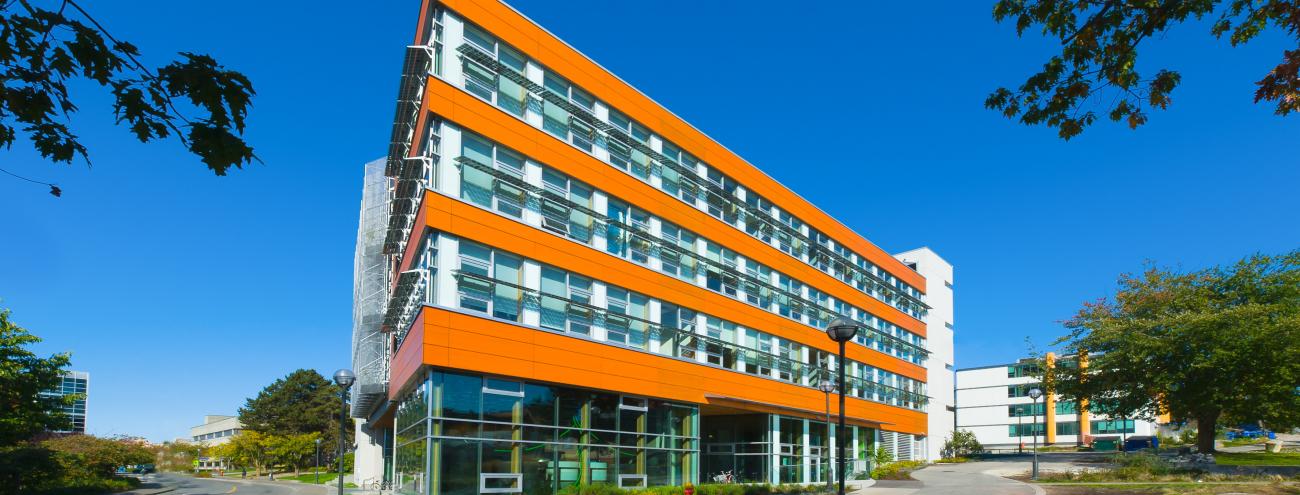
Piloting the future
Campus as a Living Lab (CLL) projects use UBC infrastructure, assets and resources to support innovative and applied research projects that improve our communities, region and world. They pilot new ideas, advance faculty research and interdisciplinary collaborations, have an operational benefit for the university, and create opportunities for student learning and knowledge exchange.
Characteristics
Through the following core characteristics, CLL projects contribute to UBC’s strategic priorities, offering pathways for institutional learning, knowledge exchange, and long-term change.
Innovation:
Living lab projects propose novel ideas, processes, or practices to address real-world sustainability challenges. Innovation can take many forms—technical, social, procedural, or cultural—and may include new ways of thinking, engaging, organizing, or acting.
Research Excellence:
Living lab projects demonstrate academic rigour and contribute new insights to a body of knowledge. This includes clear research questions, robust methodologies, and well-defined processes that reflect excellence in academic scholarship and show potential to inform future research, policy, or practice across disciplines.
Relevance to UBC Campus and Community:
Living lab projects are rooted in the strategic context and operational realities of the university, and align with UBC’s sustainability and climate action priorities. The proposed solutions address a challenge or issue that can be improved at UBC and strengthen the university’s ability to lead and learn as a living lab.
Student Engagement and Learning Opportunities:
Living lab project actively engage students through research, design, implementation, evaluation, or storytelling. They create opportunities for experiential, hands-on, interdisciplinary, and mentorship-based learning, enabling students to make meaningful contributions while gaining valuable skills and insights.
Potential Impacts and Knowledge Sharing:
Living lab projects have the potential for impacts beyond UBC's campus. This may include replication or scale-up in other institutional, municipal, or community contexts, as well as knowledge sharing and capacity building across sectors and settings.



Project Library

This pioneering living lab project at UBC Vancouver explores how Building-Integrated Agriculture can transform campus buildings and food operations into hubs for hyperlocal, low-carbon food production. By installing a custom growing pod, integrating fresh produce into campus dining, and engaging students and the public in applied research, the project will generate practical insights to advance food security, resource circularity, climate resilience, and healthier, more sustainable campus communities.
Interested to participate in this UBC research?
Sign up here to be notified for a paid research survey.
(clickable thumbnails below)

This innovative project will transform undergraduate teaching laboratories into living labs to reduce single-use laboratory plastics (SULP) and advance sustainable practices. Through collaborative research, pilot interventions, and student engagement, it will develop practical solutions that minimize waste while supporting high-quality teaching and broader climate action.
(clickable thumbnails below)

This timely project explores how UBC students are using generative artificial intelligence (GenAI) in their academic work, and how factors such as motivation, belonging, identity, and support shape that use. Using UBC Vancouver as a living lab, the project will identify patterns of student AI engagement and examine how courses and workshops can foster more ethical, equitable, strategic, and learning-oriented use of AI.
(clickable thumbnails below)


This transformative living lab project at UBC Vancouver uses campus green spaces to study how urban nature can cool neighbourhoods and support wildlife in a warming climate. By combining automated microclimate and acoustic monitoring with community engagement, it will generate practical guidance to design resilient, biodiversity‑rich urban landscapes on campus and across Metro Vancouver.
(clickable thumbnails below)